Comprehending the FDA: How It Works and Its Impact on Public Health
The FDA serves a vital function in protecting public health by regulating food, check this drugs, and medical devices. Established over a century ago, it has developed an extensive framework for evaluating product safety and efficacy. Yet, the agency faces significant challenges in adapting to rapid advancements in technology and limited resources. Grasping the sophisticated nature of the FDA's activities exposes considerable information about its effect on health and safety. What does the future hold for this important organization?
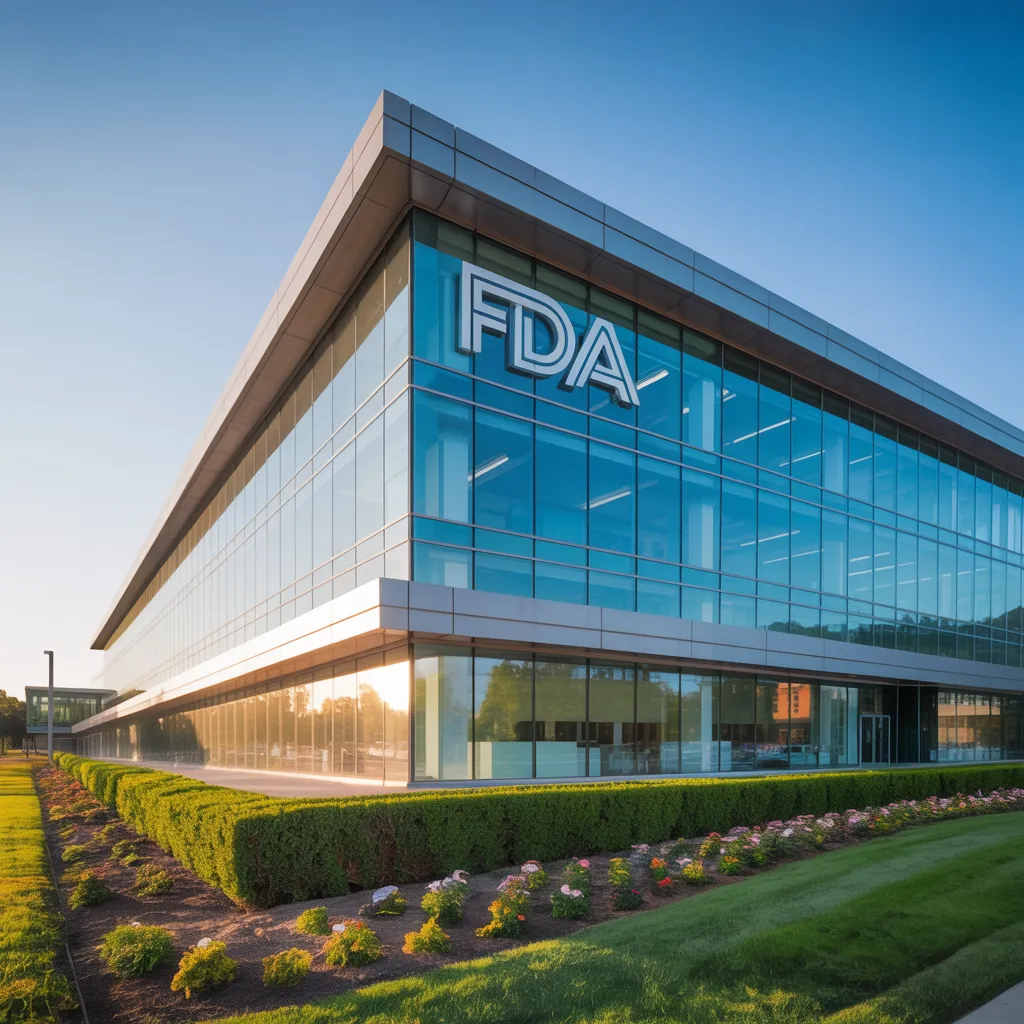
The History and Mission of the FDA
Though the FDA was formally created in 1906, its beginnings trace back to earlier attempts in the 19th century focused on regulating food and drug safety. The Pure Food and Drug Act, adopted in response to increasing public concern over unsanitary practices and false labeling, signified a critical moment in consumer protection. This legislation was designed to ensure that food and drugs were safe, effective, and accurately described. The mission of the FDA developed as it aimed to preserve public health, overseeing the safety of food, pharmaceuticals, and medical devices. Throughout the years, the agency has adapted its regulatory framework to address emerging concerns, such as the introduction of new technologies and the globalization of the supply chain. By focusing on scientific evidence and public welfare, the FDA remains committed to its foundational mission, working to protect consumers and enhance the safety and efficacy of products available in the marketplace.
How the FDA is Structured and Organized
The organizational structure of the FDA is designed to successfully carry out its mission of ensuring public health through regulating food, drugs, and medical devices. The agency operates under the Department of Health and Human Services and comprises several centers, each focusing on specific areas of regulation. The Center for Drug Evaluation and Research supervises pharmaceutical products, whereas the Center for Food Safety and Applied Nutrition handles food items. Medical devices and radiation-emitting products are regulated by the Center for Devices and Radiological Health.
In addition, the FDA comprises several offices devoted to research, policy development, and compliance. These departments ensure that the agency can respond to public health emergencies and maintain high standards for safety and efficacy. The FDA's organizational structure facilitates collaboration across these centers, allowing a complete approach to health regulation and fostering innovation while safeguarding consumer interests.
Pharmaceutical Regulatory Processes
In the process of developing pharmaceutical products, rigorous regulatory processes guarantee that products are effective and safe before reaching consumers. The U.S. Food and Drug Administration (FDA) supervises this procedure, which includes several critical phases. Initially, pharmaceutical companies conduct preclinical testing to evaluate a drug's safety and biological activity using laboratory and animal studies. After successful outcomes, companies send a New Drug Application (NDA) to the FDA, documenting their findings and requesting permission for human trials.
Following approval, clinical trials initiate in three phases, assessing safety, dosage, and efficacy in increasing numbers of human participants. After completing these trials, the data is forwarded for FDA review. The FDA examines the evidence and concludes whether to approve the drug for public use. Post-approval, the FDA continues monitoring the drug's safety through adverse event reporting and continuing studies, confirming that any long-term effects are understood and managed effectively.
Food Safety Requirements and Inspections
Making sure that food products are secure for consumption is a main responsibility of the FDA, which sets stringent food safety standards and carries out regular inspections. These standards cover multiple aspects such as food production, processing, packaging, and distribution, intended to decreasing risks of contamination and maintaining nutritional quality.
The FDA employs a risk-based approach to inspections, giving priority to facilities based on their potential risks and compliance history. Inspections can be regular or prompted by reports of foodborne illnesses. Inspectors evaluate adherence to safety protocols and may require corrective actions when necessary.
Additionally, the FDA partners with state and local health agencies to improve food safety programs, sharing information and resources to address developing threats. Through these wide-ranging measures, the FDA plays a critical role in safeguarding public health, ensuring that consumers have access to safe and wholesome food products.
The FDA's Function in Medical Device Regulation
Medical devices fulfill a critical purpose in today's healthcare system, and the FDA is charged with overseeing these products to verify their safety and effectiveness. The FDA divides medical devices into three categories based on risk: Class I, Class II, and Class III. Class I devices, considered low-risk, require general controls, while Class II devices require additional regulatory examination through premarket notifications. Class III devices, which pose the highest risk, undergo stringent premarket approval processes to demonstrate their safety and efficacy.
The FDA evaluates manufacturing practices, clinical data, and labeling to confirm that medical devices meet established standards. This oversight process not only protects public health but also supports innovation by delivering a clear pathway for the implementation of new technologies. By upholding strict regulations, the FDA confirms that medical professionals and patients can depend on the medical devices they use, ultimately enhancing the overall quality of care in the healthcare system.
Difficulties Confronting the FDA
Navigating the complex landscape of healthcare innovation presents considerable challenges for the FDA. One of the key obstacles is the swift pace of technological advancement, which often exceeds existing regulatory frameworks. This generates a gap where new products may enter the market with inadequate oversight, posing potential risks to public health. Additionally, the FDA faces challenges from diverse stakeholders, including pharmaceutical companies, healthcare providers, and patients, all of whom have varying expectations and demands regarding the approval process.
Financial restrictions further compound the FDA's ability to adequately examine new products. Budgetary pressures may lead to delays in the review process, which may obstruct timely access to essential medical innovations. Additionally, navigating public perception and trust is crucial; any missteps in regulation can erode confidence in the agency's ability to safeguard public health. Together, these challenges highlight the delicate balance the FDA must maintain in promoting innovation while ensuring safety.
The Future Landscape of FDA Regulations and Public Health
As the FDA addresses the challenges within today's healthcare landscape, the future of its regulations will play a pivotal role in shaping public health outcomes. Anticipated advancements in technology and data analytics are likely to influence regulatory approaches, allowing for more flexible and dynamic strategies. The FDA may increasingly prioritize real-time monitoring of health trends, supporting timely responses to new public health concerns.
Moreover, the integration of precision medicine into healthcare could encourage revisions in approval processes and safety assessments, prioritizing patient-specific outcomes. As the population ages and chronic diseases rise, the FDA will need to handle varied health needs while ensuring equitable access to innovative treatments.
Cooperation with international regulatory bodies may also enhance global health standards. On the whole, the evolution of FDA regulations will reflect a commitment to safeguarding public health while fostering innovation and addressing contemporary challenges in healthcare delivery.
Popular Questions
How Does the FDA Process Public Complaints Regarding Products?
The FDA addresses public complaints by examining reports, assessing product safety and effectiveness, and when necessary implementing recalls or regulatory actions. They focus on consumer safety, guaranteeing products meet established standards and addressing public concerns promptly.
What Is the Fda's Role in Dietary Supplements?
The FDA manages dietary supplements by guaranteeing safety, labeling accuracy, and manufacturing quality. Although it doesn't pre-approve supplements before they arrive at the market, it monitors adverse effects and enforces compliance with established regulations.
Is the FDA Able to Regulate Tobacco Products?
Tobacco products are subject to FDA regulation. It oversees the manufacturing, advertising, and distribution processes, with the goal of reducing tobacco-related harm. Regulations include limitations on advertising, mandated warnings, and product standards to safeguard public health and stop underage access.
How Does the FDA Notify the Public of Recalls?
The FDA communicates recalls to the public through press releases, social media updates, and notifications on its website. These platforms guarantee widespread awareness, permitting consumers to make informed decisions regarding their health and safety.
What Does the FDA Say About Alternative Medicine?
The FDA accepts alternative medicine while it emphasizes strict scientific evidence for effectiveness and safety. It regulates some products as supplements or medical devices while cautioning consumers against unproven claims and potential health risks.